



Jelbang, nestled in the beautiful hills of Rolpa, is more than just a village. It is a symbol of history, struggle, transformation and possibility. Today, Jelbang is known for its Magar heritage, its history during Nepal’s Maoist conflict, its natural beauty, its warm rural way of life and its new message of peace.
Jelbang is now known as a village of peace in the aftermath of war. According to the oral history of the Budha Magar community, the civilization of Jelbang is believed to be between 1,100 and 1,500 years old. The village developed through collective labour, cooperation and shared awareness, and is home mainly to the Magar community. The Vishwakarma and Pariyar communities also live here, adding to the village’s rich and diverse social fabric.
Over the years, Jelbang has adopted various names that reflect its evolving identity. During the Panchayat era, it was known as a ‘Magar village.’ During the armed conflict, it became known as a ‘village of revolutionaries.’ After the war, it came to be known as a ‘peace village.’ Through these changing identities and the events that shaped them, Jelbang has left a deep mark on Nepal’s political history.
During the decade-long armed conflict, 73 people from Jelbang lost their lives—63 on the state side and 10 on the rebel side. Jelbang was among the villages in Nepal that suffered the greatest human losses during the conflict.
The memories of that struggle, suffering and sacrifice remain alive in the hills, trails and settlements of the village. The events of that period are still fresh in the memories of its people.
With the passage of time, however, Jelbang has chosen a new path—one of peace, coexistence and development. The land that once echoed with gunfire is now emerging as a place of peace, reconciliation and enormous tourism potential. The people
have begun to look beyond the painful stories of the past and dream of a new future.
You may also like: Rising Astam Village Nepal - Hidden Place Near Pokhara
There are new ideas, new initiatives and new dreams in the village. At the same time, local people have found creative ways to keep the memories of the past alive. An about-an-hour uphill walk north of the village leads to the ‘People’s War Memorial Park,’ where the history of the conflict is presented through art and physical installations. A sand model, structures representing the conflict period, a martyrs’ memorial and other symbols of the struggle offer visitors a glimpse into what life was like during those turbulent years.
During the war, the Maoists established people’s communes, community schools, small hydropower projects and rural roads, along with martyrs’ memorials and other structures built through voluntary community labour. Today, these sites have become important heritage attractions for war tourism.
The ‘Guerrilla Trail,’ developed along the hillsides, footpaths and horse trails once used by guerrilla fighters during the decade-long war, has now become an appealing destination for adventure and historical tourism. More than just a hiking route, the trail serves as an open-air museum where visitors can learn about Nepal’s political transformation, popular struggles and rural way of life.
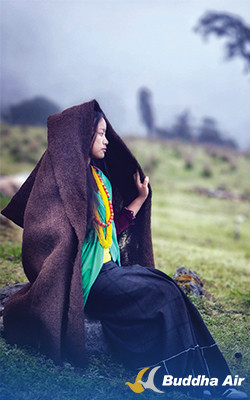
Jelbang is not only a destination for war tourism but also an exceptional centre of cultural tourism. Magar culture, the Magar Kham language, traditional ways of life, organic food, and the Khyali and Bhume dances are among its major attractions. The warm hospitality extended to visitors gives everyone who comes here a genuine sense of belonging.
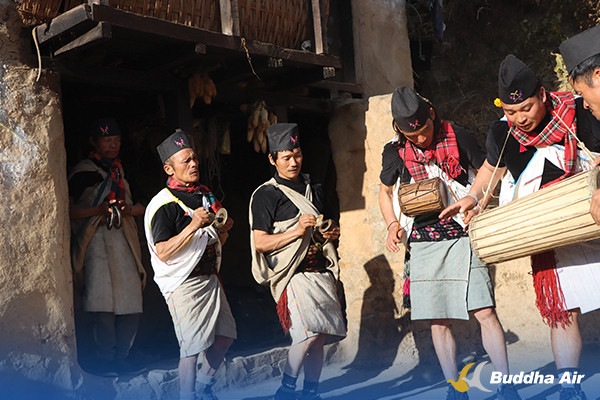
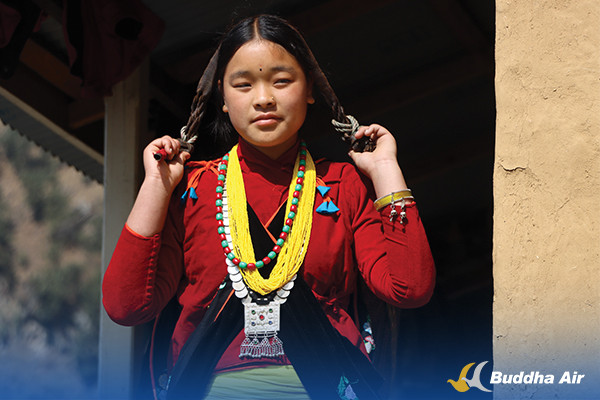
Jelbang gained international attention after the American news organization CNN included it in its 2011 list of ‘12 best places you’ve never heard of’. Since then, homestay tourism has expanded in the village. The homestays currently operating here offer visitors the opportunity to experience Magar culture, local cuisine, rural life, and the natural environment up close.
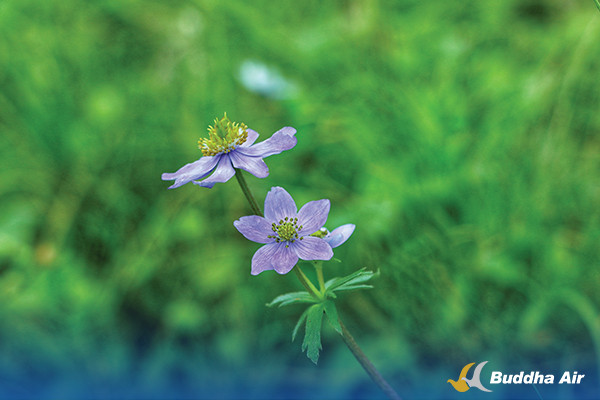
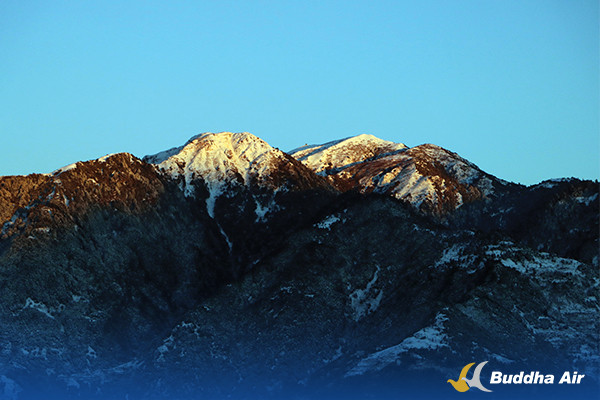
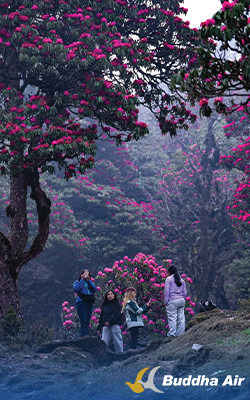
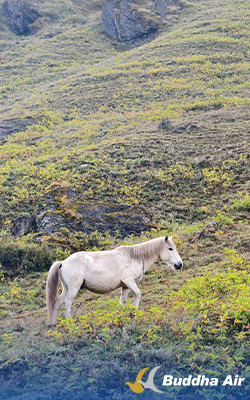
Jelbang is also a village of remarkable natural beauty and great potential. Its green hills, steep slopes, forests, streams, mountain landscapes and clean environment captivate visitors. Views of sunrise and sunset, the peaceful rhythm of rural life, birdsong and the fresh mountain air make Jelbang an ideal place to relax and reconnect with nature. In recent years, there has been growing discussion at both the district and national levels about Jelbang’s natural beauty, cultural identity and tourism potential.
Various organizations have made important contributions to reconstruction and development in the post-conflict period. With support from organizations such as Gurkha Welfare and Kadoorie Agricultural Aid, projects have been implemented in areas including small hydropower, suspension bridges, drinking water and sanitation.
The village now has access to clean drinking water, electricity and toilets. Since the restoration of peace, government investment in development has also reached Jelbang. The government has invested in roads, schools, forests, the environment, and other infrastructure, although the level of investment remains limited.
Jelbang continues to face challenges, including the closure of its traditional household iron industry, rising unemployment and the migration of young people abroad for work. Even so, the village is moving forward on a journey to build a new future based on its history, culture and natural potential.
Today, Jelbang is a village that carries a message of peace. Memories of war mark its past, but its hopes for the future are even greater. The pain of history remains, yet the beauty of nature and the richness of its culture are lighting the way toward new possibilities.
How to Get There
Jelbang is about 550 kilometres from Kathmandu via Sulichaur in Rolpa. Sulichaur can be reached by deluxe bus in approximately 12 hours. From Sulichaur, Jelbang is another 22-kilometre road journey. The village can be reached comfortably by jeep.


