




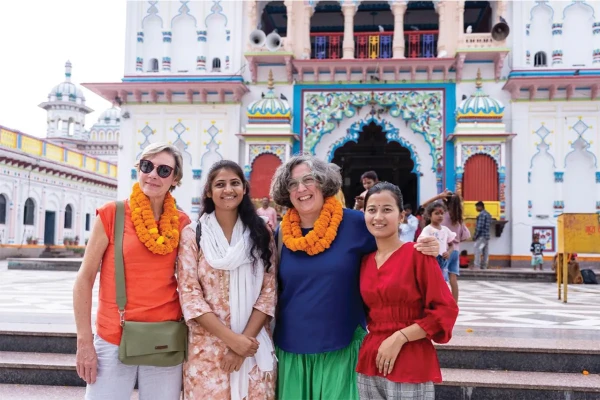
My roots have been a global patchwork, born to a Spanish father and a French mother, brought up in Brazil, and completed my education in the UK. My headquarters have been in Brussels since 2000, and I have spent 13 years in Africa and 8 years in Asia.
I first came to Nepal in 2001 on a mission, and I was very impressed by Dwarika Hotel, which is where I stayed. I also went to a concert at the Patan Museum. I still remember the pink walls, the percussions, and that was magic. When I returned as a European Union Ambassador in September 2023, twenty-two years after leaving the airport, I found it very chaotic.
When I come to a new country, it’s more than a job. It's a 360 plunge into the history, culture, and politics of the country. So I have spent the last three years reading a lot of Nepal's history and trying to travel as much as possible. Nepal has an incredible range of heritage sites. In the 8th century, Nepal was a sophisticated and very rich country, when we were still in the Middle Ages. It is an incredible privilege to experience such a historical and cultural legacy.
From the Flatlands to the Cradle of Rice: Exploring the Regions
I have been to all 7 provinces. In Tarai, I have travelled the entire east-to-west route for work and holidays. Sudurpashchim to Lumbini, Madhesh, Biratnagar and all the way to Jhapa. Since we have programs in Madhesh, I have visited Janakpur and Nepalgunj. Nepalgunj is very impressive, as it is very different from other parts of Nepal, and I didn’t realise there is a strong Muslim community. They live in a good neighbourhood with the other communities.
On holiday, I went to Pokhara in Gandaki Province and hiked the Annapurna Circuit, which was a very different experience. What impressed me the most in the mid-hills were the paddy fields in Gandaki, and I learned that it was the first place where paddy cultivation was established many centuries ago. It’s the cradle of rice.
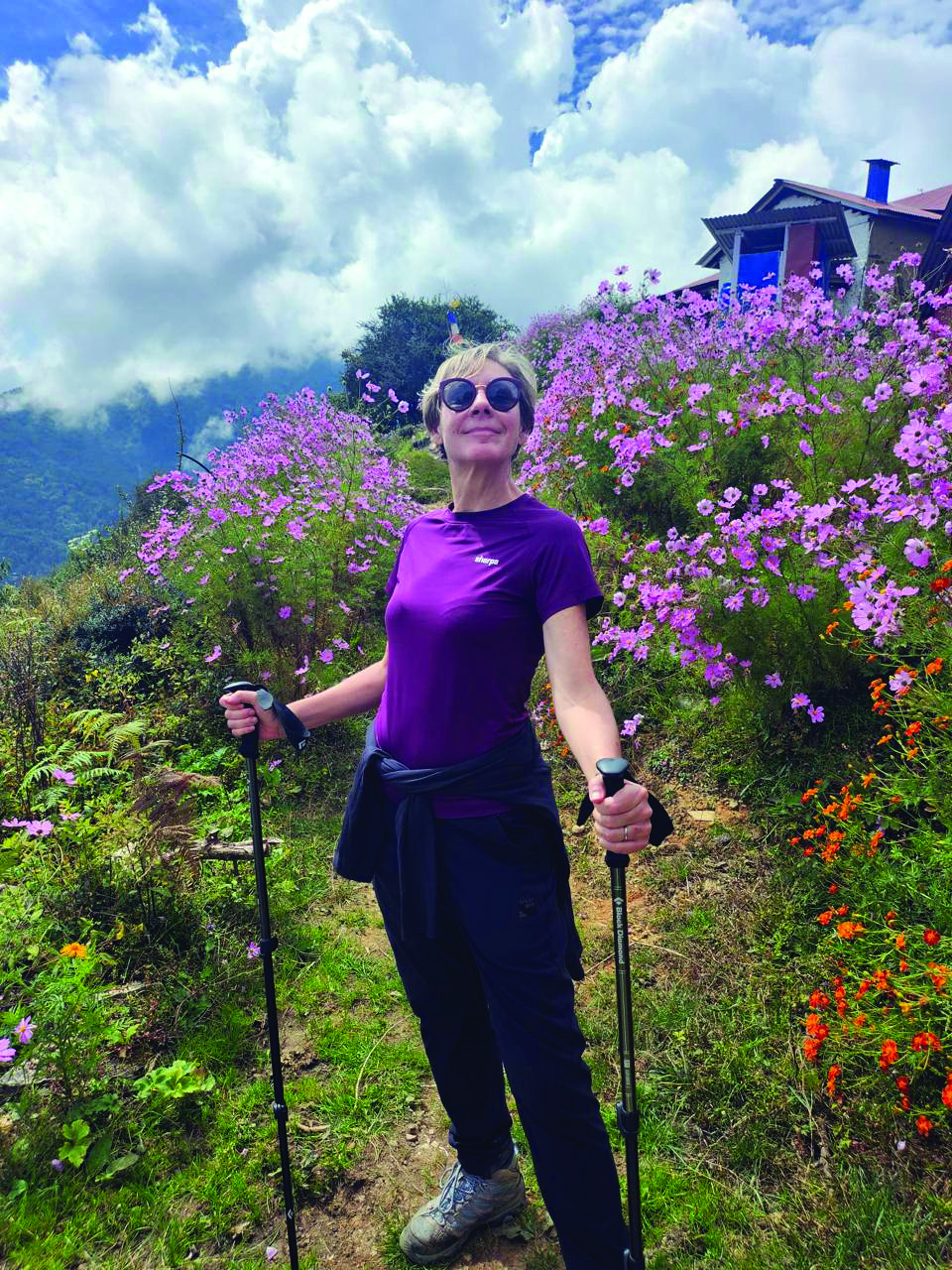
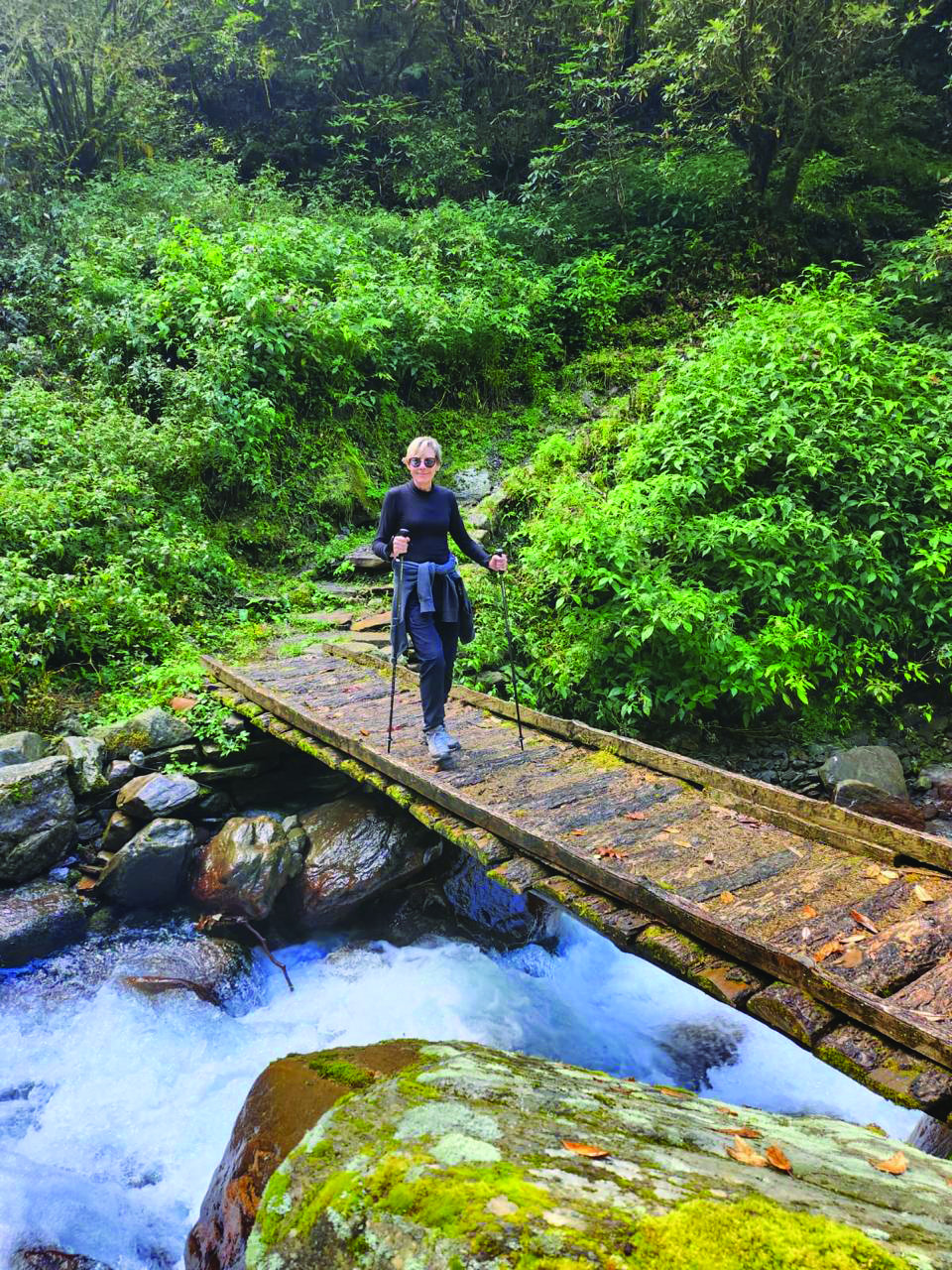
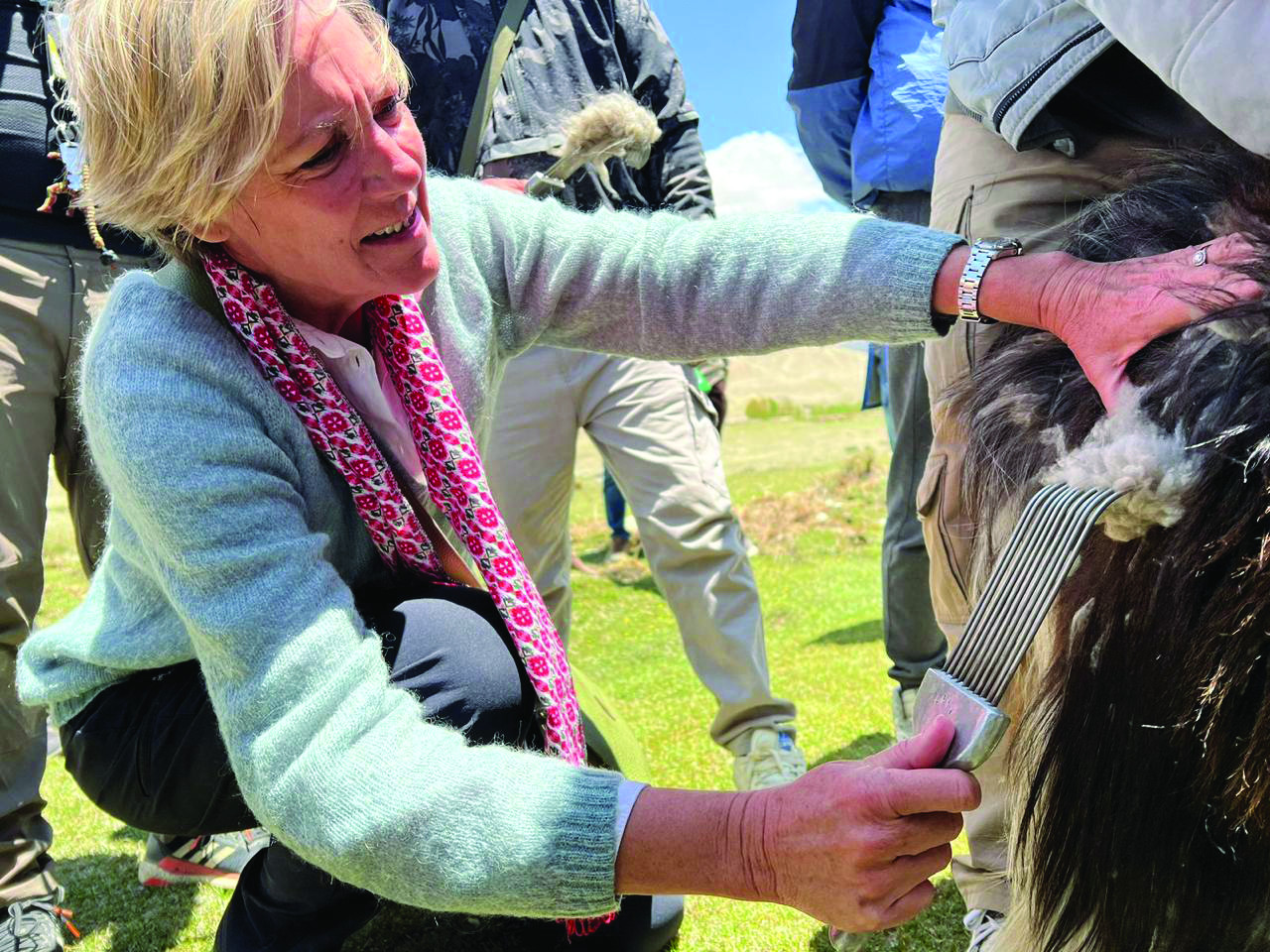
Mustang is yet another special place, completely different and fabulous. We had a project to promote the pashmina value chain, and the producers of pashmina of Chyangra goats are in Mustang. We went all the way up to Lomanthang to see the producers, and I even combed the goat. I cannot imagine more different places than Lomanthang and Nepalgunj.
Also read: Lo Manthang - The Forbidden Kingdom in Upper Mustang
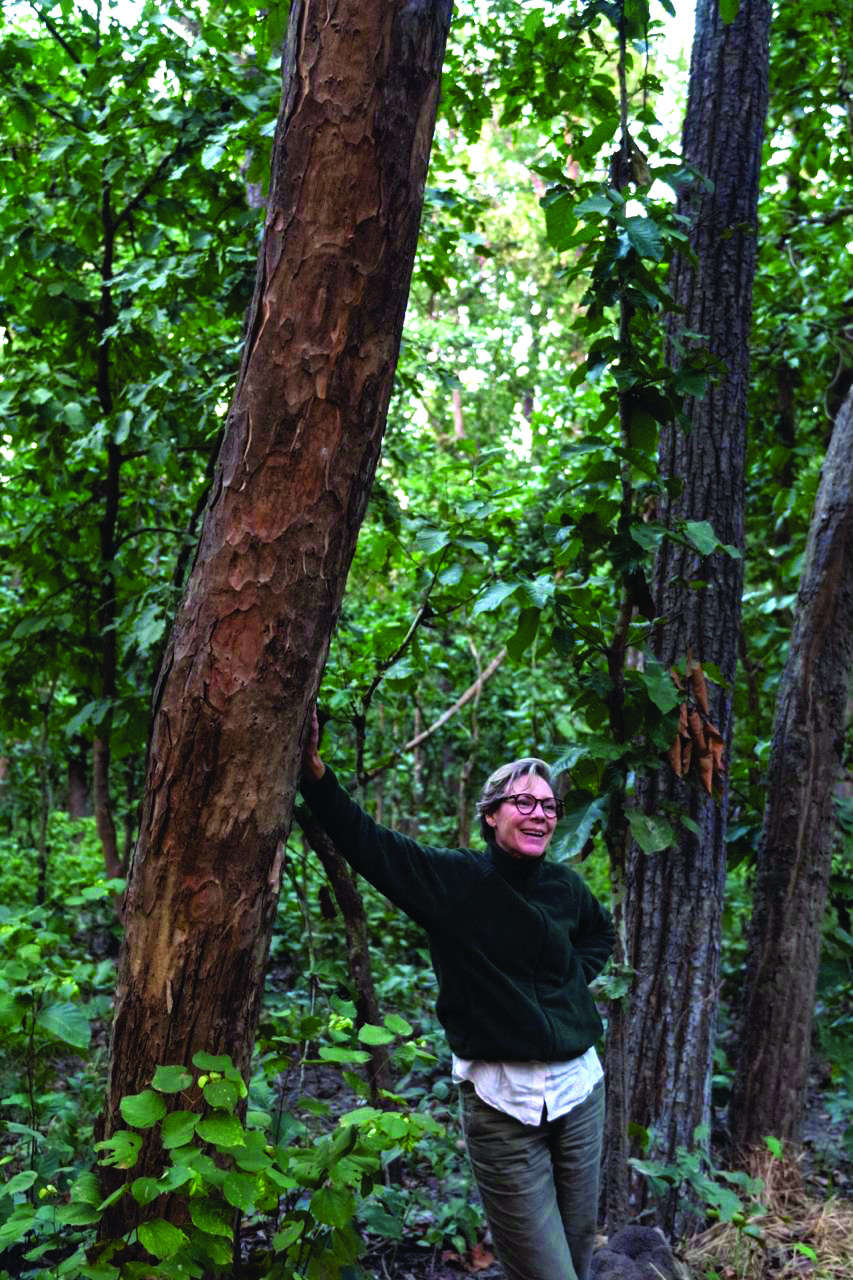
My very first mission in Nepal was at Bardiya National Park because we had a conservation project there. My only great frustration is that I will be leaving Nepal without ever seeing a tiger, since we couldn’t spot one during my visit. I have only seen a tiger in a cage, which is not good enough. There are lots of rhinos in Chitwan, and it is fantastic to see them up very close.
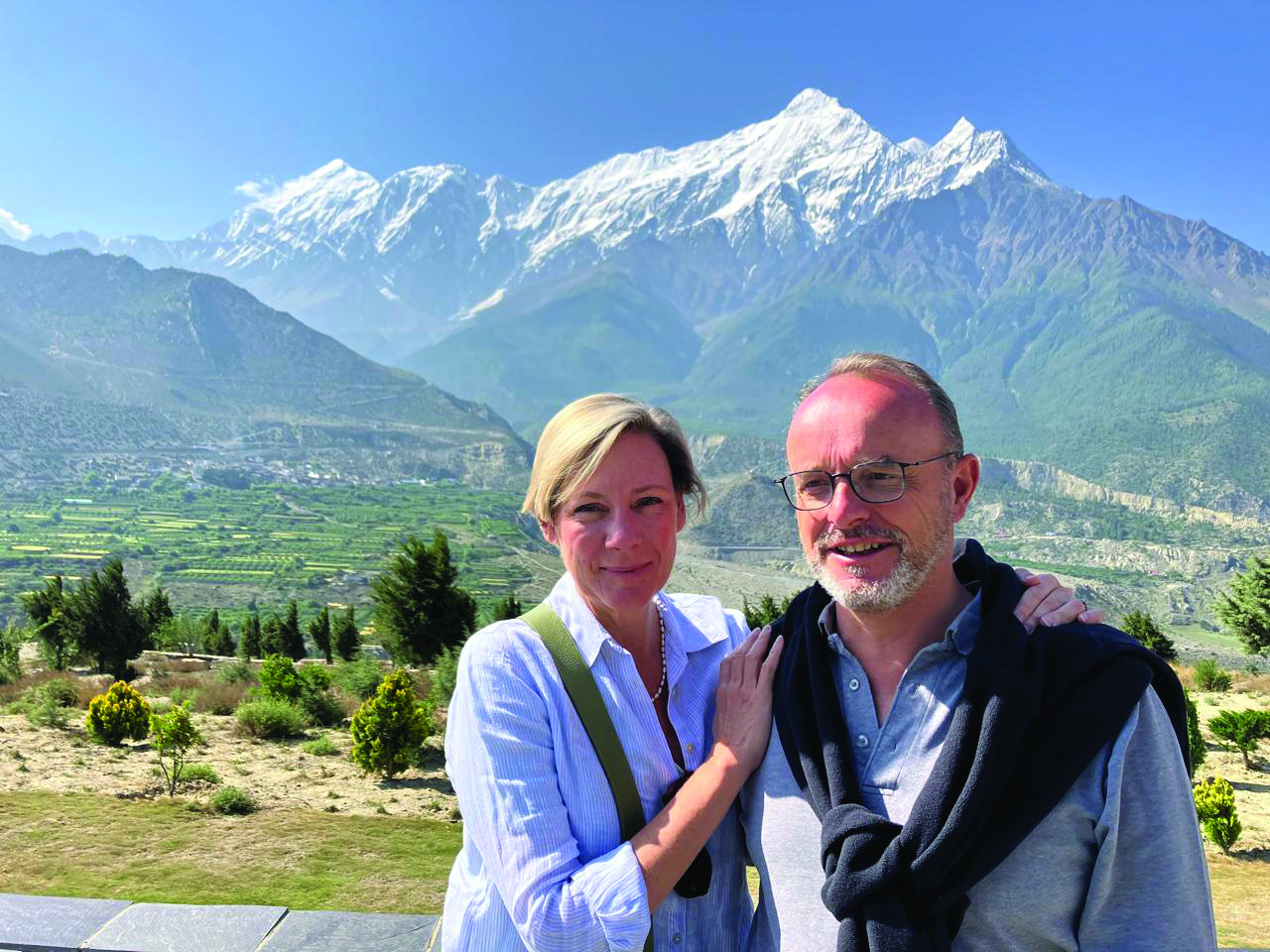
My husband has accompanied me when travelling as well as on quite a few of the missions. Our children have grown up, so they are not with us. We have completed a 7-day Annapurna Circuit trek. My husband has done several treks, like Langtang and the Gokyo Lakes. In fact, we went to Kangchenjunga last week, but it rained heavily, and we couldn’t continue. That’s why we will come back again. Kangchenjunga is an amazing place, very pristine and undiscovered.
Nepali Feasts and Secret Desserts
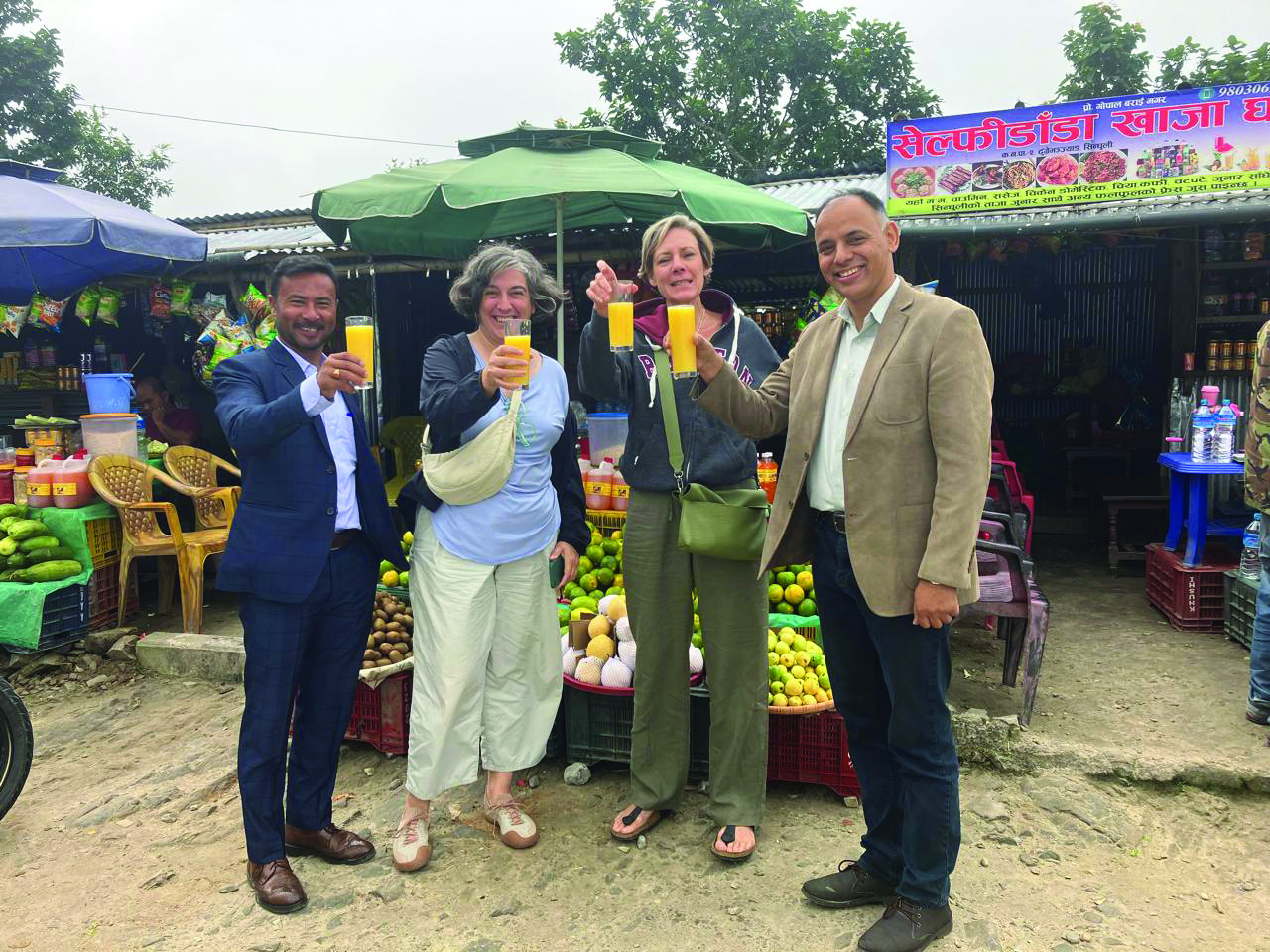
Dal bhat and momo are the first things that you learn about Nepali cuisine. Nepal has overtaken the world with momo places. One of my favourite foods is ‘Bhanata saadeko,’ served with Thakali food along with other tarkari, meats, and vegetables. I also really enjoy the Newari food and the tradition of eating liver and heart. Even though I usually eat vegetarian, I really enjoy these Newari specialities. For me, the best dessert is Bhaktapur’s speciality Juju dhau.
You may also like: Nepal - A Feast for All Six Senses
Living the Myths
 celebrate Holi in Kathmandu.jpeg)
Nepal is the country with the most holidays in the World, and there are an incredible number of festivals and Jatras. Among all, I prefer Indra Jatra because, for foreigners, it is incredibly different, with massive crowds and Kumari being walked around in her palanquin. There’s nothing like it.
And the other festival I really enjoyed is Machindranath. Lord Machindranath coming to bring the rain, that's a fantastic myth. They are myths, but they are very much part of the living culture. Nepal is very much alive in terms of religion, culture, and rituals. Nepali people live it every day, and it's not a museum.
Safest Country to Experience and Live
Because of the country's complex geography, roads pose a safety hazard. There's still a lot of homework to be done on the road infrastructure. But in terms of safety, Nepal is one of the safest countries I have ever experienced or lived in. Once my husband was on his way to the airport, his passport fell out of his pocket in the taxi, but the following day, we had to take another plane. The next morning, the taxi driver called us half an hour before the flight, telling us he was bringing my husband's passport. I have heard such stories and incidents involving tourists who have left a bag on a bus or forgotten their laptop. Nothing has ever been lost.
Nepalis are very protective, and in terms of safety, I do not doubt it. Even during the unstable period we have had, there is no problem travelling in Nepal. Nepalis are very kind, very welcoming, curious but not overbearing and very open. It’s interesting to see that they are like this as a society.
Always polite, they show the same humility when they are abroad. Nepalis make a big diaspora now. When you ask foreigners which immigrant they prefer, they usually say Nepalis. Nepalis are really down to earth, and very much appreciated outside the country.
Exploration Beyond Treks
I had my family coming: my mother, my daughter with her boyfriend, and they didn’t have much time. We stayed in Kathmandu for a few days because there's a lot to see in Kathmandu Valley, like Bhaktapur, Basantapur, and Patan Durbar Square. Nearby the valley, we often go to Namo Buddha for Buddhist ceremonies. Outside the valleys, we have been to Pokhara. I like the lake, and there's a special place on the other side that is very secluded, and nature’s amazing. I even took my family to Chitwan to see rhinos and elephants, which was a lot of fun.
You may also like: Explore Namo Buddha- A Sacred Buddhist Pilgrimage Site in Nepal
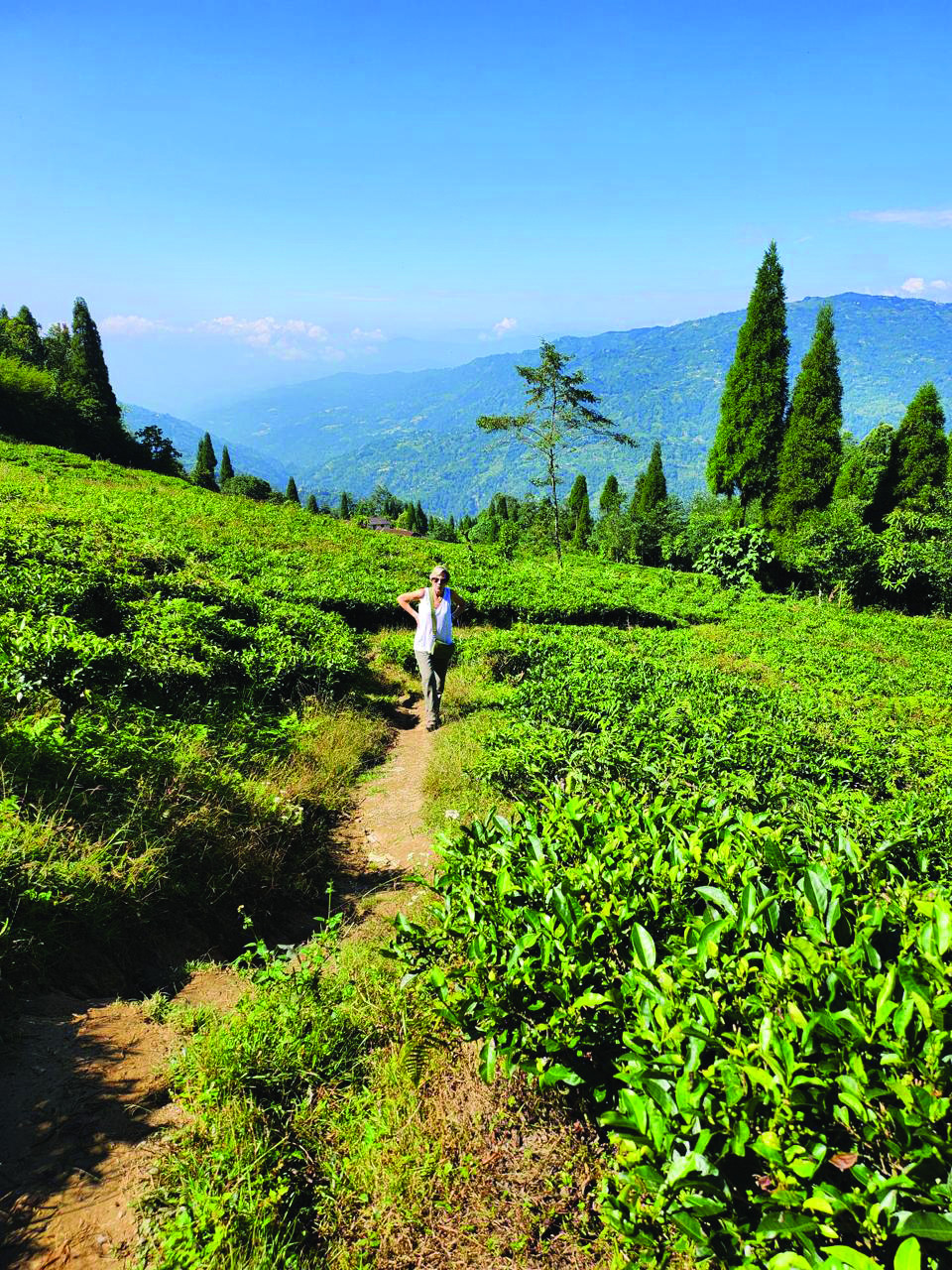
People usually come to Nepal for treks, but there's so much to see, even though I like trekking. Don't just do the trek; also focus on and enjoy the heritage Nepal has to offer. And there's one place I haven't mentioned: Ilam. It's not a very well-known destination. Ilam for 3-4days or a long weekend, it's a fantastic place to go walking in the tea garden. It's so beautiful, with waterfalls and incredible places.
Looking Forward to Quality Over Quantity
The far west is completely unexplored, like the far east, Kangchenjunga. There's a lot of potential, and you can offer different packages. Nepal needs to work on good infrastructure and adequate accommodation so that tourists stay longer and spend more. Over the last decade, expenditure per tourist has decreased significantly because Nepal has not been attracting higher-end tourists. Nepal has to think of the environmental footprint and have fewer tourists who spend more and respect the environment. Good proposition and infrastructure must be the objectives, along with well-trained guides and hospitality staff. We will be supporting Kanchanjunga for these kinds of things.
When I come back to Nepal next time, I will go to Dolpa, Humla, and Jumla in the north of Karnali, the western part of Nepal. I wish to drive and stay at a nice guesthouse. There is a lot of hope with the new government that things will change and implementation will accelerate. Over the coming decades, I look forward to sufficient public infrastructure being built in accordance with environmental standards. It matters because if you don’t invest in infrastructure correctly, it doesn’t last. Second, you are ruining your natural heritage. It is important to make this investment, and to do so the right way. I hope the government will prioritize these badly needed public investments.
Nepal in Three Words
- First, Nepal is Diverse. Nepalgunj and Lomanthang are two completely different worlds, yet we have them both in a relatively small territory.
- The second thing is Heritage. People often don't realize how rich and ancient this heritage is.
- And therefore, the third thing is that Once Is Not Enough because you can't see everything all at once. I have been here for 3 years, and the more I stay, the more I discover. You peel off layers, discover more, and go deeper. The more I do that, the more I become attached to Nepal, so it will be very difficult to leave. My husband is as attached to Nepal as I am.


