



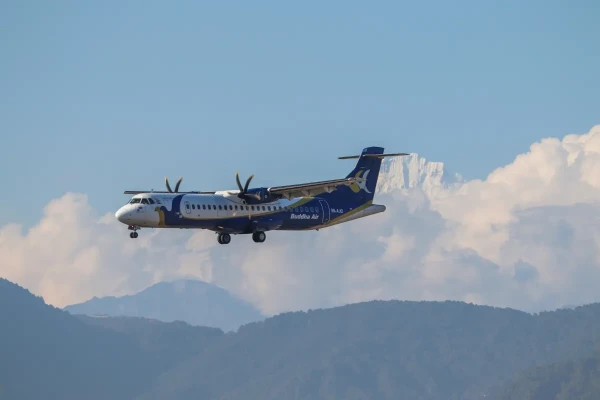
The Buddha Air Hangar is certified as a Part-145 Aircraft Maintenance Organization by the Civil Aviation Authority of Nepal (CAAN). This certification is equivalent to the EASA Part-145 standards. While consistently attaining this standard for the maintenance of all aircraft, Buddha Air is recognized for maintaining aircraft for other national and international airlines.
In the aviation industry, living up to the highest standards of maintenance is critical for the safety of both passengers and crew. This is where regulatory frameworks such as EASA Part-145 play a key role. The European Union Aviation Safety Agency (EASA) sets strict regulations for the maintenance and repair of aircraft through Part-145, a standard that is globally recognized. In this article, we will take you through what EASA Part-145 is, how it impacts aviation maintenance operations, and what the certification process entails.
What is EASA Part-145?
EASA Part-145 is a regulation that outlines the requirements for the approval of organizations involved in the maintenance of aircraft and aircraft components. It is designed to ensure that Maintenance, Repair, and Overhaul (MRO) facilities meet the highest safety standards.
You may also like: Why Air Maintenance Repair is Important
According to the EASA, Part-145 approval allows organizations to perform maintenance tasks such as repairs, inspections, and overhauls on commercial aircraft, ensuring that all operations comply with EASA's safety regulations. Compliance with EASA Part-145 is mandatory for any maintenance organization working within Europe or on European-registered aircraft, making it an essential certification for global aviation operations.
How to Get EASA Part-145 Approval
To obtain the EASA Part-145 approval, the first step is to apply to the competent authority in the country where the maintenance organization is based. The application must include a detailed exposition, outlining how the organization plans to comply with EASA Part-145 requirements. This document serves as a guide for how the organization will ensure safety and compliance in its operations.
Once the application is submitted, the competent authority conducts a thorough audit of the organization’s facilities, personnel, and procedures. This audit ensures that the organization meets all EASA Part-145 regulations before certification is granted.
To maintain the approval, organizations must undergo regular audits and inspections to ensure continued compliance with the regulations. Failure to meet these standards can result in the suspension or revocation of the EASA Part-145 certificate.
Requirements for EASA Part-145
To obtain EASA Part-145 approval, organizations must meet a range of specific requirements. These requirements cover various aspects of the organization's operations, including personnel qualifications, facility standards, and maintenance procedures. Some key EASA Part-145 requirements include:
1. Qualified Personnel
The organization must employ appropriately qualified and licensed personnel to carry out aircraft maintenance. This includes engineers, technicians, and inspectors who have undergone EASA Part training.
2. Facilities and Equipment
The maintenance organization must have suitable facilities and equipment to perform all required maintenance tasks. These facilities must meet stringent safety and operational standards.
3. Quality Control Systems
Organizations must implement and maintain a quality control system to ensure that all maintenance activities are performed in accordance with the regulations. This involves continuous monitoring and auditing of maintenance processes.
4. Maintenance Records
Detailed records of all maintenance activities must be documented to be traced at any time needed and held accurate accountability if necessary.
What is a Part-145 Certificate?
An EASA Part-145 certificate is an official document that confirms an organization’s compliance with EASA’s maintenance regulations. It allows the organization to perform maintenance, repairs, and overhauls on aircraft and aircraft components in accordance with EASA Part 145 regulations.
As stated multiple times, this certification is not just limited to organizations in Europe. Many airlines and maintenance organizations outside Europe also seek Part-145 aircraft maintenance certification to demonstrate their compliance with international safety standards. Holding an EASA Part-145 certificate makes the maintenance team credible and reliable as an aviation maintenance organization. It is also a requirement for working on European-registered aircraft, ensuring that the organization meets the highest standards in aviation safety.
EASA Part-145 Operational Certification Process
The EASA Part-145 operational certification process is designed to ensure that all maintenance organizations comply with the safety and operational standards set by EASA. The process begins with the submission of a detailed application, followed by an audit of the organization's facilities, personnel, and procedures.
The airline or aircraft maintenance organization submits a formal application, including the Maintenance Organization Exposition (MOE), which outlines the procedures and practices it will follow to comply with EASA Part-145 requirements. The competent authority then conducts an initial audit to assess whether the organization meets all requirements. This audit includes an inspection of the organization's facilities, personnel qualifications, and maintenance processes. If the organization passes the audit, it receives the EASA Part-145 certificate. This certificate allows the organization to perform maintenance, repairs, and overhauls on aircraft and components in compliance with EASA Part 145 regulations. After receiving certification, the organization must continue to comply with EASA regulations. This involves regular audits and inspections to ensure that the organization maintains the required safety and operational standards.
Conclusion
EASA Part-145 is a reassurance of how an airlines’s maintenance and operation is safe and reliable. By adhering to EASA Part 145 regulations, organizations ensure that their maintenance processes meet the highest safety standards. The certification process is rigorous, but it provides a valuable assurance of quality and safety for both airlines and passengers. For Buddha Air, the EASA Part-145 certification marks their consistent effort to maintain aircraft safety and compliance with international standards.
Frequently Asked Questions (FAQs)
What is MRO in EASA?
MRO stands for Maintenance, Repair, and Overhaul. In the context of EASA, MRO organizations must comply with EASA Part-145 regulations to ensure that aircraft maintenance activities meet safety standards.
What is the EASA Part-145 checklist?
The EASA Part-145 checklist is a comprehensive list of requirements that an organization must meet to obtain and maintain certification. This checklist includes requirements for personnel qualifications, facilities, maintenance procedures, and quality control systems.
What are the requirements for obtaining EASA Part-145 certification?
Organizations must meet various EASA Part-145 requirements, including qualified personnel, suitable facilities, and robust quality control systems. Detailed records of all maintenance activities must also be kept to ensure accountability.
How does EASA Part-145 impact aircraft maintenance operations?
EASA Part-145 ensures that aircraft maintenance organizations operate in compliance with strict safety standards. This impacts aircraft maintenance operations by ensuring that all tasks, from repairs to inspections, are performed with the highest level of safety and precision.


