




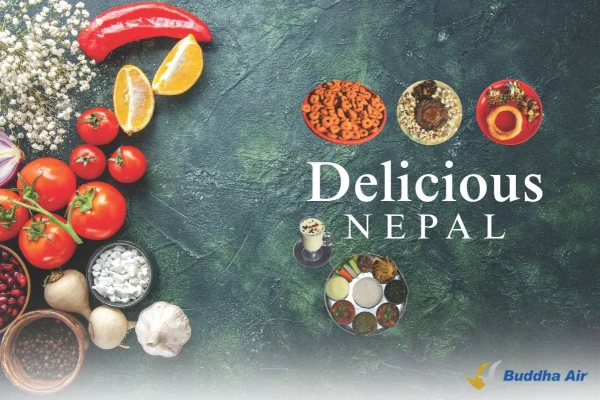
Culinary experts often say, “Food is first eaten with the eyes, then with the nose, and only then with the tongue. The first customer of food is the eye. The eyes enjoy beautifully served dishes, the nose delights in the aroma, and only then does the tongue taste it.”
Good food should be tasty, nutritious, fresh, and easy to digest. Nepal is rich in dishes that meet these standards, making its authentic cuisine a valuable tourism product.
Food culture is a blend of tradition, art, and gastronomy. Gastronomy tourism is a branch of cultural tourism where visitors are not only served local dishes but also given insights into the history, cooking techniques, and ingredients behind them. They experience food from the farmer’s field to the kitchen, learning about local traditions, culture, and lifestyle.
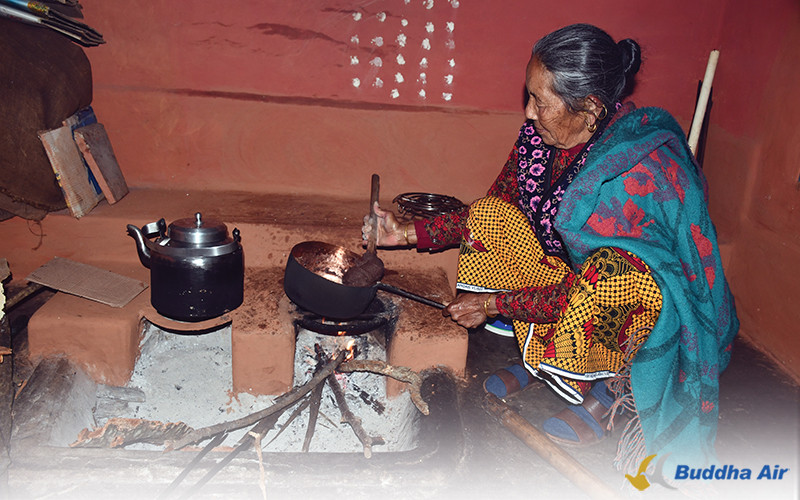
Nepal's unique blend of geography and culture creates a distinct culinary identity. The mountains, hills, and plains each offer their own characteristic flavours. This makes gastronomy tourism a promising sector. While the private sector has made some efforts to brand and market local foods, the government's involvement has been limited.
Nepali dishes are known for their health benefits, with spices that give them a distinctive taste. When cooking for tourists, it is essential to balance the use of excess spice and oil while maintaining authenticity. Cleanliness and hygiene must also be prioritized.
Some hotels and restaurants pair local cuisine with ethnic music and dance performances, offering tourists a comprehensive menu that includes dishes from the mountains, hills, and Terai regions. These restaurants are primarily concentrated in Kathmandu Valley and Pokhara and often offer these experiences as premium packages. Tourists rarely find the price unreasonable when the meal is combined with live music and a cultural ambience.
In Kathmandu, restaurants such as Bhojan Griha, Nepali Chulo, Bhanchhaghar, and Banjala have been promoting Nepali art, cuisine, and culture in their own distinct styles.
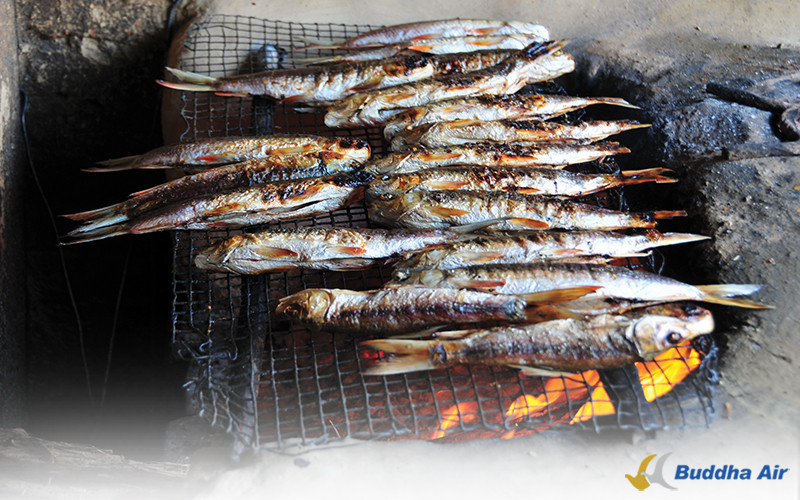
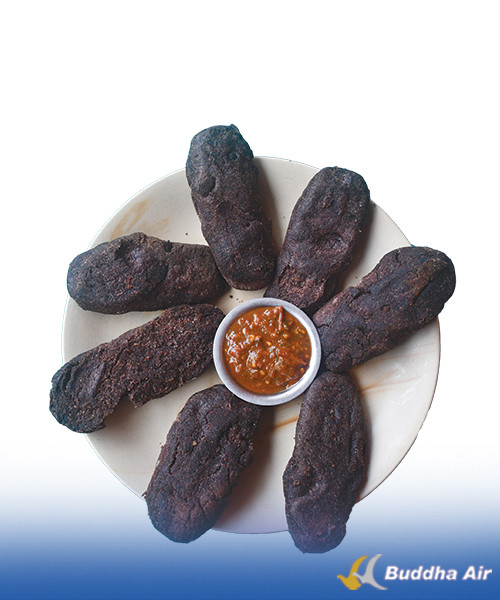
Beyond these establishments, many small eateries in Kathmandu, Bhaktapur, and Patan serve beloved Newari dishes that draw curious visitors. There are also venues known for local liquor, which could themselves be developed as tourist attractions. After all, Nepal has a rich variety of locally brewed spirits.
Community homestays across Nepal also serve traditional dishes to their guests. This practice gained momentum when Captain Rudraman Gurung launched rural tourism with community homestay facilities in Sirubari village, Syangja District, in 1998. His initiative set a precedent for serving local food to visitors, and today most community homestays in Nepal proudly feature regional flavours.
These local dishes do more than satisfy tourists. They strengthen the agricultural economy. Teaching guests about production and cooking builds farmers’ self-esteem. Another benefit is that it encourages longer stays, benefiting local communities.
“The government must first understand that Nepal can become a hub for gastronomy tourism. If we market our food internationally with strong branding, we can attract more tourists,” says tourism expert Gyaneshwor Mahato, adding, “A national campaign is essential to promote the taste of Nepal.”
If our native dishes are well presented, they will delight the eyes, noses, and palates of foreign visitors. Sharing cuisine that has been confined to specific communities with the world can broaden Nepal's identity.
By presenting Nepali food in a modern yet authentic style, we can make it competitive on the global market. Tourists will come to Nepal specifically to savour these dishes. Strong branding, informed by a deep appreciation of Nepal's culinary diversity, is crucial.
We must first love the food that is popular in our own community. We must take pride in our cultural practices and be able to explain the importance of our food to others. Only then can cuisine that was once limited to one community be elevated to the national and even international level.
Ingwa Subba, Chef
Foreign visitors are increasingly curious about local cuisine. That is why members of the Restaurant and Bar Association Nepal (REBAN) now include at least one local dish on their menus. Nepali liquor can also become a popular choice for tourists — provided we ensure consistent quality.
Sangharsha Bista
President, REBAN
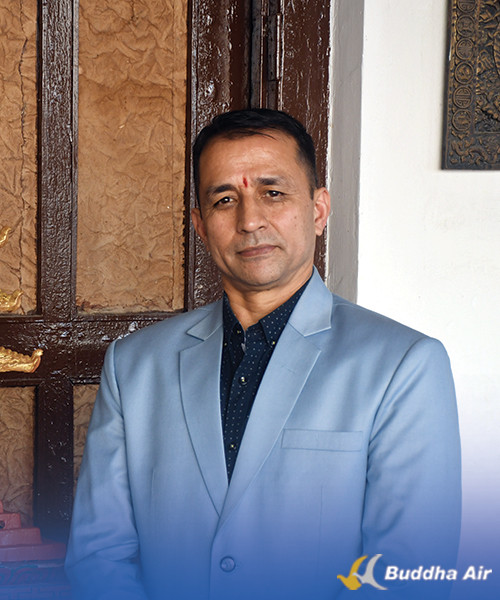
The government must first understand that Nepal can become a hub for gastronomy tourism. If it can be marketed internationally with strong branding, tourists will be attracted. A national campaign is needed to promote Nepal's unique taste.
Gyaneshwor Mahato
Tourism Expert
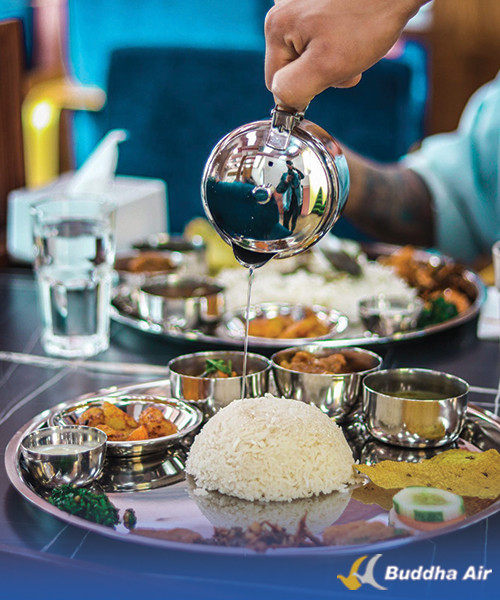
1. Thakali Set
"Thakali khana" has become one of the most recognized food brands from Nepal, gaining popularity not only across the country but also internationally.
In Nepali restaurants, many diners opt for the Thakali set at lunch or dinner. The meal is typically served on a gleaming steel plate with rice or dhindo (millet porridge), topped with warm ghee. A variety of pickles, seasonal vegetables, and meat accompany it. The distinctive use of medicinal spices, such as jimbu (Nepali allium), timur (Sichuan pepper), and garlic, makes its flavour unforgettable.
Gastronomy is the blending of culture, art, and cuisine, and the Thakali khana set is a perfect example. Its popularity lies not only in its taste but also in the careful presentation and unique serving style.
The ambience of a Thakali restaurant is part of the experience: dining rooms are decorated with radipakhi (woollen rugs), firewood, carved woodwork, and traditional utensils. Cleanliness is given equal importance.
Today, Thakali restaurants can be found not only in Kathmandu and Pokhara but also in cities abroad, allowing foreigners to savour a taste of this unique cuisine.
Thakali are an ethnic group originating from Thakkhola in Mustang. Because rice does not grow in Mustang’s harsh Himalayan climate, traditional crops include buckwheat, barley, uba (a type of millet), and potatoes. Despite these limitations, the Thakali developed a culinary tradition that has become one of the most refined in Nepal. Their reputation for serving a wholesome, well-balanced lunch set including rice, dal, vegetables, pickles, and dhindo is the result of generations of dedication.
Thakali brand was built over decades as Thakali families spread beyond Mustang, establishing food businesses in Myagdi, Baglung, Parbat, and Kaski. Their kitchens are renowned for specialities such as black lentil dal, dried yak and chyangra (Himalayan goat) meat, jhwai khatte (sizzled liquor), tangy pickles, as well as chicken and goat curries.
Some restaurants even serve Thakali breakfast—a set that might include buckwheat roti, roasted corn, tea, selroti (a sweet rice-flour doughnut), seasonal vegetables, mutton momos, potato dishes, and kanchemba (a crispy buckwheat snack).
Travellers should note that not every restaurant advertising "Thakali food" offers the authentic experience. The genuine taste is best found at establishments run by members of the Thakali community.
Thakali is a society where men and women are equal, and this equality is reflected in their business culture. Many of the restaurants are run by women, whose warm hospitality, friendly manner, and delicious food helped make the Thakali brand what it is today.
Usha Sherchan
Operator, Monalisa Thakali Restaurant, Kathmandu/Pokhara

2. Mithila Thali
Master Chef Santosh Sah has successfully branded the cuisine of the Terai as “Mithila Thali.”
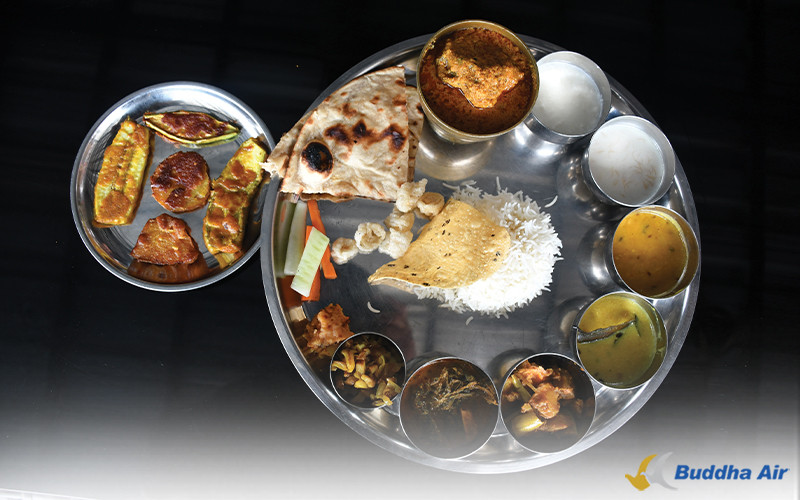

Winner of BBC Master Chef: The Professionals Rematch 2021, Santosh Sah has inspired pride in traditional Nepali cuisine. He is credited with pioneering the concept of Mithila Thali – a curated meal that celebrates the flavours of the Terai.
He opened the first Mithila Thali restaurant in Janakpur on June 21, 2023. In just two years, the brand has experienced rapid growth, with
branches now open in Jhamsikhel (Lalitpur), Gaushala, and Gairidhara (Kathmandu). In Gairidhara, he also launched Janakpur Fish House, while the Gaushala branch offers a purely vegetarian menu.
The signature Mithila Thali set features more than 15 dishes, including dal bhat, seasonal vegetables, and roti. It highlights traditional Madheshi delicacies such as tilauri, biriya, adauri, aalu papad, kumrauri, tisauri, and taruwa, served with yoghurt and a variety of pickles.
The ingredients are sourced directly from Madhesh Province, using locally grown produce, spices, and oils. Many raw materials are brought from surrounding villages, creating income opportunities for rural women who prepare items for the restaurant in their own homes.
The restaurant itself is an immersive experience– its walls are adorned with vibrant Mithila paintings, which are also available for purchase. At the Gairidhara branch, customers can even enjoy complimentary mehendi (henna) designs, further enhancing the cultural atmosphere.
You may also like: Art that Identifies Nepal - Art of Mithila
Santosh’s efforts have sparked a culinary movement. Today, many restaurants in Janakpur proudly display signs announcing Mithila Thali on their menus.
But Santosh’s mission goes beyond Mithila cuisine. He is advocating for the inclusion of Nepal’s traditional dishes from various communities on restaurant menus nationwide. His vision is to connect the Himalayas, hills, and Terai through food. At his Gairidhara restaurant, he has already created a traditional kitchen, and he is planning a television show titled ‘Ayala Kitchen by Master Chef Santosh Sah’, with the slogan “Nepali Food for the Next Generation.”
We must present the genuine taste of traditional food– but in a modern way. Some dishes should be served in bite-sized portions for convenience, yet their originality must not be lost in unnecessary fusion.
Santosh Sah, Master Chef
3. Samayabaji
The ‘God’s Breakfast’ of Kathmandu Valley
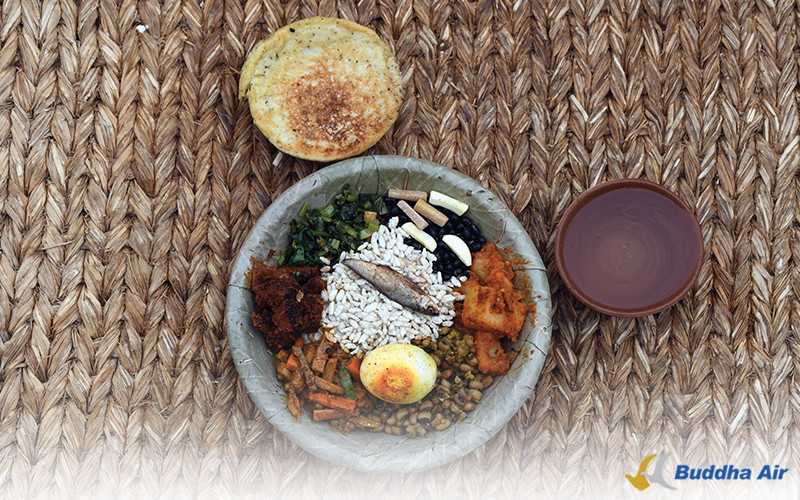
Samayabaji is considered the quintessential taste of Kathmandu Valley– a dish so revered that it is often called "God's Breakfast."
Newars, the indigenous people of the valley, are renowned for their vibrant art, rich culture, and numerous year-round festivals. Their culinary tradition is a rich blend of flavour, nutrition, and ritual significance.
Once found only in Newar households during special occasions, Newari dishes have now spread to restaurants across the country. On any festival or auspicious occasion, Samayabaji is first offered to the gods and then eaten as prasad (sacred food).
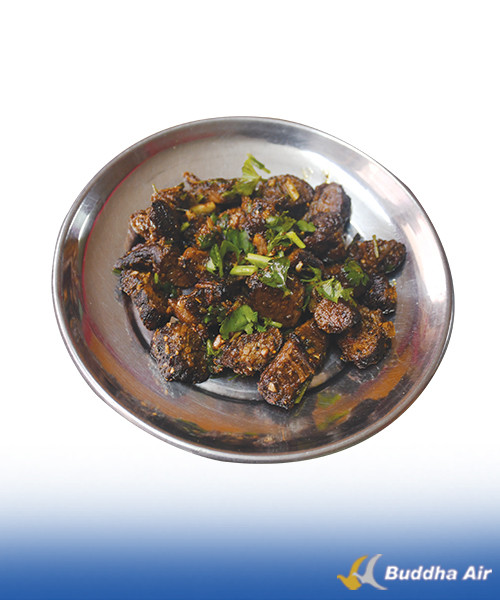
Traditionally eaten at the beginning of a Newar feast, Samayabaji is now available on restaurant menus throughout the year. It represents the agricultural abundance of the valley. It typically includes chiyura (flattened rice), choyala (spiced grilled meat), bara (lentil pancake), boiled eggs, potatoes, pickles, beans, fried black soybeans, seasonal greens, ginger, garlic, dried fish, and aila (homemade liquor).
Many restaurants also serve Newari snack sets– including chicken, duck, and vegetarian options. Popular Newari foods such as momo, chatamari, bara, kachila, khago, and yomari are equally beloved.
Newar kitchens prepare dishes according to the season. Kwanti, a soup of sprouted mixed beans, is traditionally eaten during Janai Purnima. The name comes from "kwa," meaning "warm," and "ti," meaning "soup." This nutritious dish has gained popularity beyond the Newar community and is now available in many restaurants.
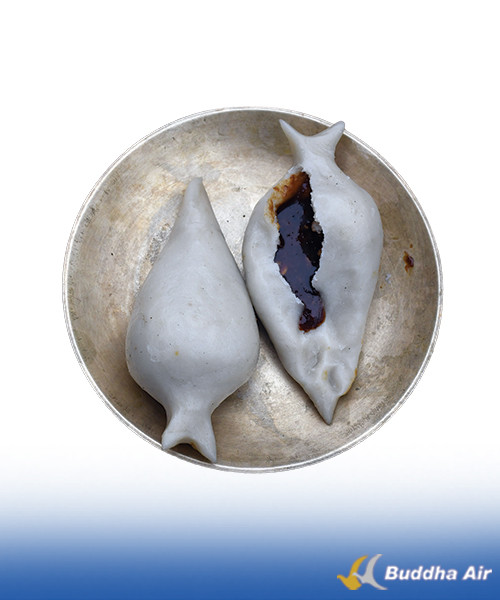
Another iconic treat is Yomari, a steamed rice-flour dumpling filled with chaku (molasses-like jaggery taffy) and sesame seeds, traditionally prepared during Yomari Purnima in winter. Today, Yomari is available year-round, with innovative fillings such as black lentils, meat, or khuwa (milk solids). It is believed to warm the body and boost the immune system.
Sweet treats also hold a special place in Newar cuisine — gwarmari, lakha mari, laddu, malpuwa, jerry, swari, nimki, and anarasa are some of the most popular.
Newar cuisine is as scientific as it is flavorful. A traditional Newar meal follows a sequence: starting with chiyura, then meat, beans, cereals, methi (fenugreek), lyasse paun (hog plum broth), curd, and ending with sisafusa–a refreshing salad of sugarcane, peas, and radish.
In Kirtipur, Kathmandu, a unique community restaurant called Newa Lahana serves fully authentic Newari meals. The word "lahana" means "civilization," and this initiative, involving 77 families, has transformed Kirtipur into a culinary destination over the past two decades. Run under the leadership of social worker Rajman Maharjan, Newa Lahana is more than a restaurant; it has become an open cultural school, preserving and sharing Newar culinary heritage.
Rajman Maharjan
Contact 9841330533
4. Tharu Cuisine
Tourists get to experience not only local food but also farm life.
Tharus are the indigenous people of Nepal’s southern plains, and their way of life has always been closely tied to agriculture. Their cuisine reflects this deep connection to the land– hearty, wholesome, and rooted in seasonal cycles.
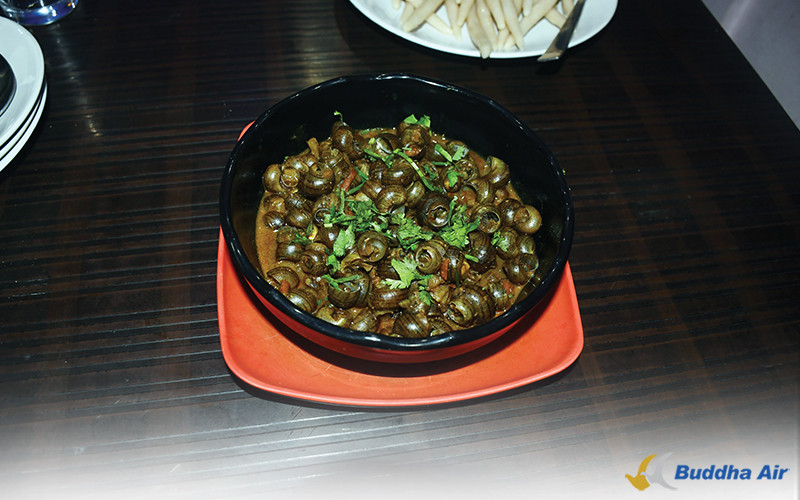
In a typical Tharu kitchen, you’ll find a diverse spread: dal bhat, seasonal vegetables, pickles, chichar (steamed rice), dhikari (steamed rice cakes), aalu chokha (mashed potatoes with mustard oil and spices), phulauri (fried lentil or gram flour fritters), rikwach (taro-leaf rolls mixed with rice flour and spices, steamed or fried), ghongi (freshwater snails), gangta (crab), river fish, pigeon meat, and local chicken.
Traditional beverages are an essential part of Tharu cuisine, including rice and maize chhyang (fermented liquor) and alcohol made from mahuwa flowers of the Madhuca longifolia tree.

Tharu cuisine is now available in Kathmandu and major Terai cities, including Nepalgunj, Chitwan, and Dhangadhi. For a more authentic experience, community homestays are ideal– especially in Dalla (Bardiya), Amaltari (Nawalparasi), Bhada (Kailali), and the Ranatharu Homestay (Kanchanpur).
At these homestays, guests can dine in the courtyards of traditional houses made of straw, wood, and mud. Evenings often feature cultural programs that include music and dance.
Iconic Dishes
Chichar - A delicately steamed rice dish made with a special variety called anadi.
Ghongi - Freshwater snails, rich in iron and calcium, served boiled, stir-fried, or curried.
Dhikari - Hot rice flour dough steamed into dumpling-like cakes, eaten plain, fried in ghee, or paired with pickles.
Rikwach (or kheriya) - Taro leaves mixed with rice flour, ginger, garlic, and salt, then fried until crisp.
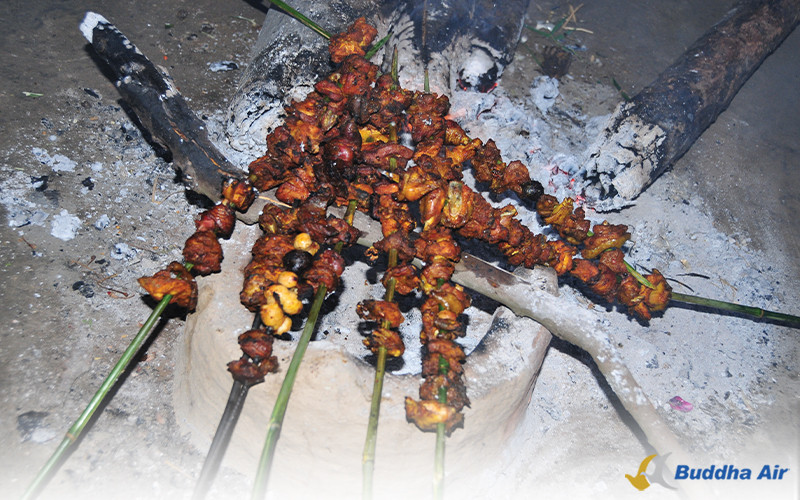
Pigeon Meat - Traditionally consumed in winter to warm the body; prepared fried, stewed, or roasted.
Fish and River Shrimp - Local delicacies such as bhoti and gangta, paired with fragrant rice varieties like kala namak.
Phulauri - Deep-fried fritters made of wheat, peas, and gram flour, spiced and served with chutney.
Foreign guests love Tharu dishes like chichar and dhikari. They savour local chicken, enjoy home-brewed liquor, and even take part in farm work–from digging up potatoes to roasting them right in the fields.
Lakshminarayan Chaudhary
President, Bhada Community Homestay, Contact : 9762293376
5. Himalayan Cuisines
Himalayan cuisine are not just nourishment– they help visitors acclimate, connect with the local culture, and support village economies.
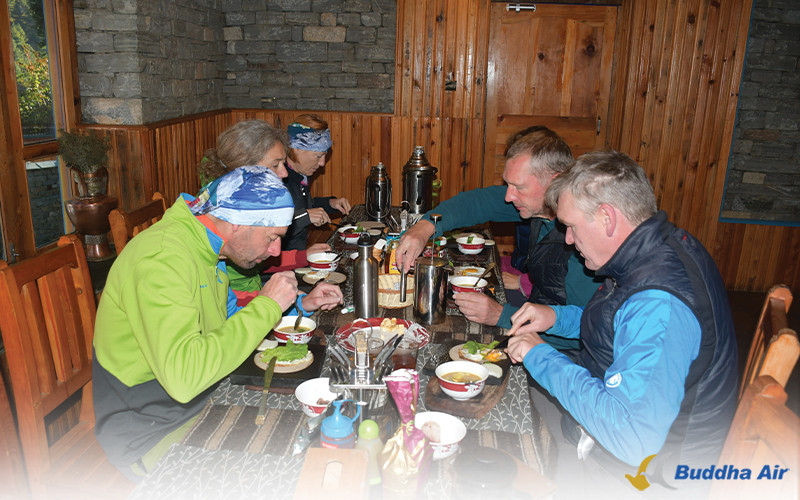
The Himalayan region is home to Sherpa, Lama, Gurung, and Bhote communities. Due to the cold climate, crops such as potatoes, buckwheat, and barley take longer to ripen; however, they form the basis of the diet, along with hardy vegetables. Sheep, goats, and yaks are also raised for meat, milk, and butter.
Food in this region is designed to warm the body and provide energy. Himalayan dishes are served in teahouses and lodges along trekking routes and can also be found in restaurants around Boudhanath, Swayambhu, Thamel, and Pokhara. For trekkers, choosing Himalayan dishes not only enhances acclimatization but also helps promote local products and support sustainable, green tourism.
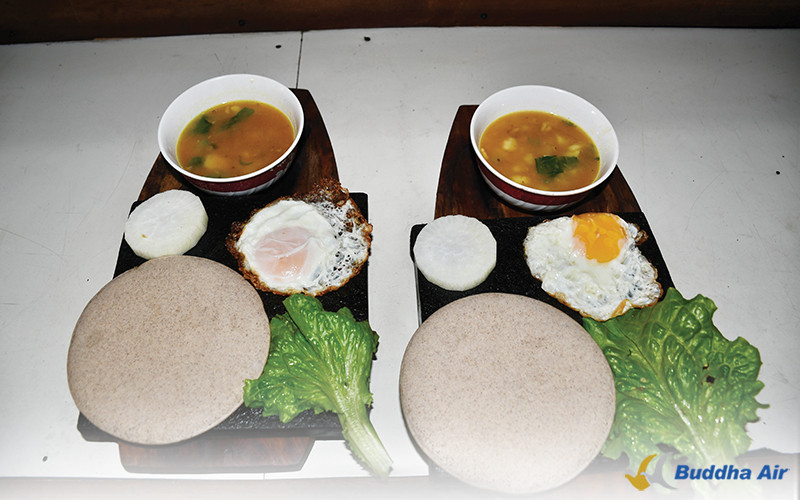
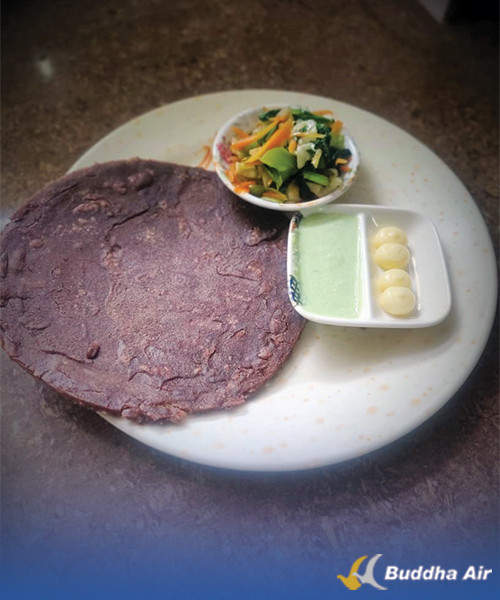
Six Popular Dishes of Himalayan Cuisines
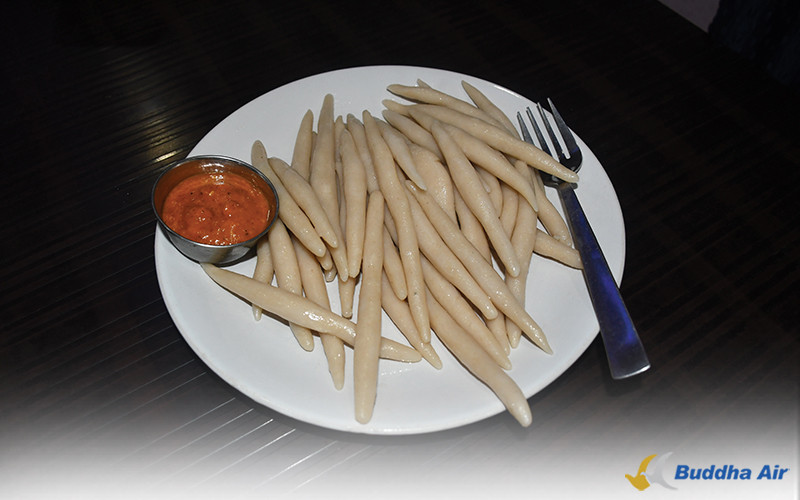
Shakpa - A hearty Sherpa noodle stew. Made with meat or vegetables, oil, salt, and spices, and simmered with handmade noodles. Vegetarian versions often include potatoes, radishes, and carrots.
Momo and Tingmo - Momo is Nepal’s most beloved dumpling, filled with either meat or vegetables. Tingmo is a steamed bread roll, often served with pickles or meat gravies.
Rigikur - Known as Sherpa potato pancake. The name comes from "rigi" (potato) and "kur" (bread). Grated raw potatoes are mixed with flour and eggs, pan-fried in oil, and served with cheese, butter, or chilli paste.
Champa - A traditional Himalayan breakfast staple. Roasted barley or ube flour is mixed with water or tea, and yak cheese powder and sugar are added. It can also be made into a warming porridge.
Rildu and Fekur - Rildu consists of mashed, boiled potatoes rolled into balls and eaten with soup. Fekur (Sherpa pancake) is prepared from wheat, millet, or buckwheat flour.
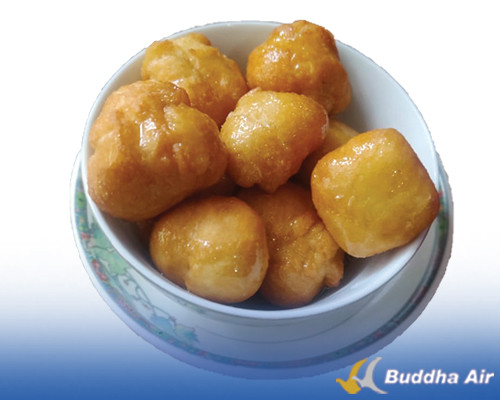
Suchiya (Butter Tea) - A salty, buttery tea made from Tibetan tea leaves. Traditionally churned in a dhungro (bamboo tube), it is now commonly blended in a mixer.
Eating local food while trekking helps with acclimatization and supports the village economy. We include Sherpa dishes on our menu, and foreign visitors are always delighted to taste local cuisine.
Lakpa Tenzing Sherpa
Operator, Hotel Green Tara, Namche, contact : 9841450594
6. Eastern Cuisines
Dishes from Eastern Nepal, such as bhakka, kinima, wachipa, pumpa, and yangben, are increasingly featured on restaurant menus.
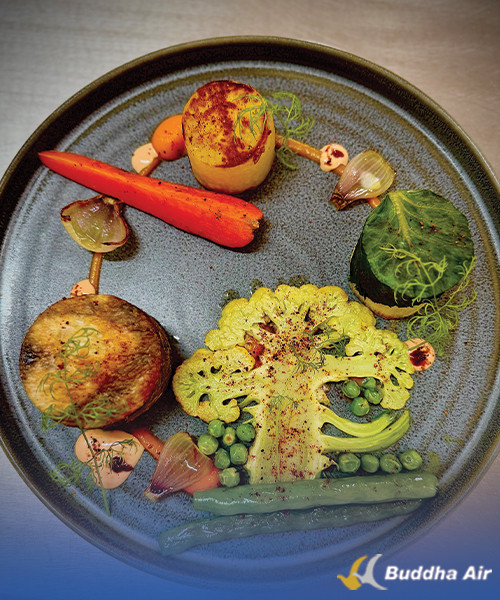
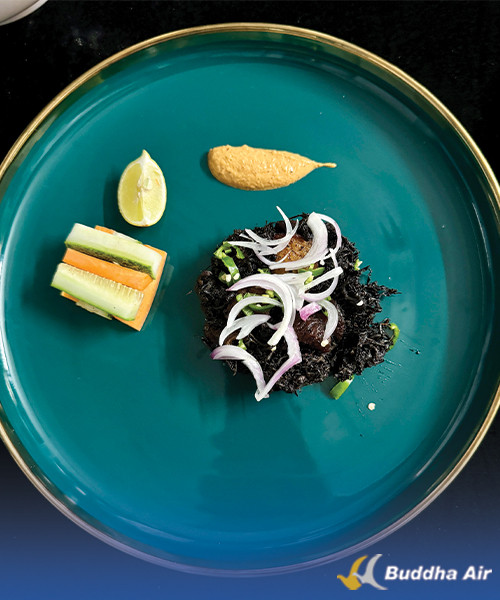
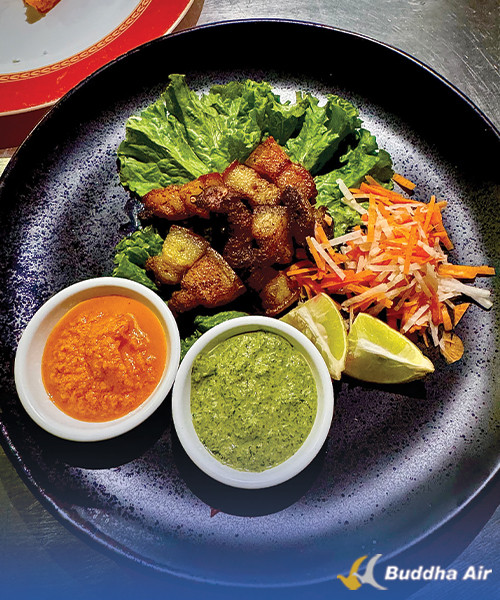
Eastern Nepal is home to a diverse array of ethnic groups, each with its own unique culinary traditions. They prepare a wide range of dishes from local produce– including dhindo, roti, rice, sisnu (nettle) soup, local chicken, gundruk-bhatmas (fermented leafy greens with soybeans), pork, kaguno porridge, and aalu tama (potato and bamboo shoot curry), which are popular staples.
Among these, kinima, wachipa, pumpa, and yangben are especially celebrated by the Rai and Limbu communities. These traditional dishes are now widely available in restaurants, while pork sekuwa (grilled meat) and bhakka have become popular in Kathmandu and other major cities.
Traditional Eastern beverages, such as raksi, jaand, chhyang, and tongba, are also beloved for their taste and cultural significance. With their unique flavours and high nutritional value, the dishes of Eastern Nepal deserve a stronger presence on restaurant menus.
There is immense potential to promote the culinary heritage of the East through research, branding, and marketing.
Our local dishes are healthy. If we focus on agri-eco tourism, these dishes will naturally be promoted, attracting more tourists eager to experience Nepali cuisine.
Prem Tumbapo
Gastronomy Chef, Itahari
Contact : 9852057135
Five Notable Dishes
Kinima - A distinctive soybean dish. The beans are first roasted, then steamed and left to ferment for three to four days until fibres develop– the more fibres, the better the flavour. The resulting product has a strong, earthy aroma and can be used to make a gravy with salt, pepper, onions, and tomatoes, or eaten dry. It pairs especially well with dhindo.
Wachipa - A traditional delicacy of the Kirat Rai people. Made from rice, minced chicken, and a powder from burnt chicken feathers, which gives it a characteristic bitter flavour and unique aroma. Often served on special occasions, it is also believed to help relieve body aches.
Pumpa - Millet or wheat flour is kneaded into small balls, then boiled for about 20 minutes until cooked. It is enjoyed with spicy chutney.
Yangben - A wild lichen found in the high hills, growing on rocks and trees. The lichen is boiled with ash, cleaned, dried, and then cooked– often with potatoes or pork–to produce a dish prized for its earthy flavour.
Kaguno - A nutrient-rich millet that grows in cold regions. Kaguno is traditionally eaten steamed like rice or prepared as kheer (porridge). It is an essential grain in Kiranti history and is valued for its high protein content.
7. Far Western Cuisines
The dishes of Far West Nepal are loved not only by locals but also by foreign tourists.
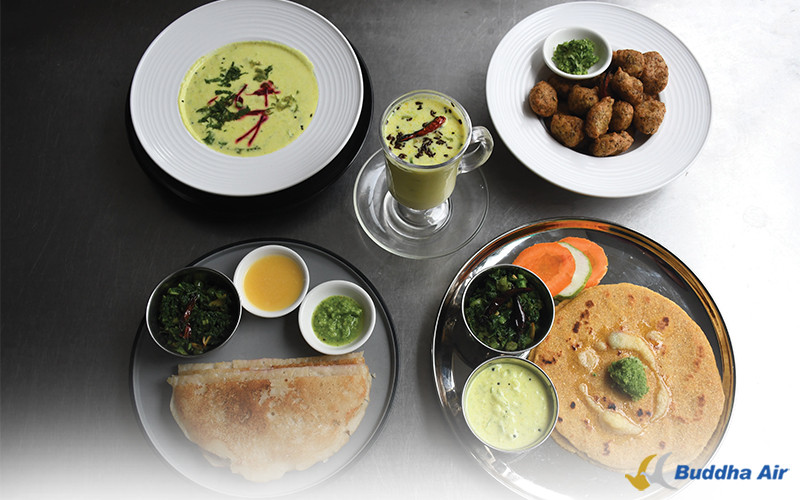
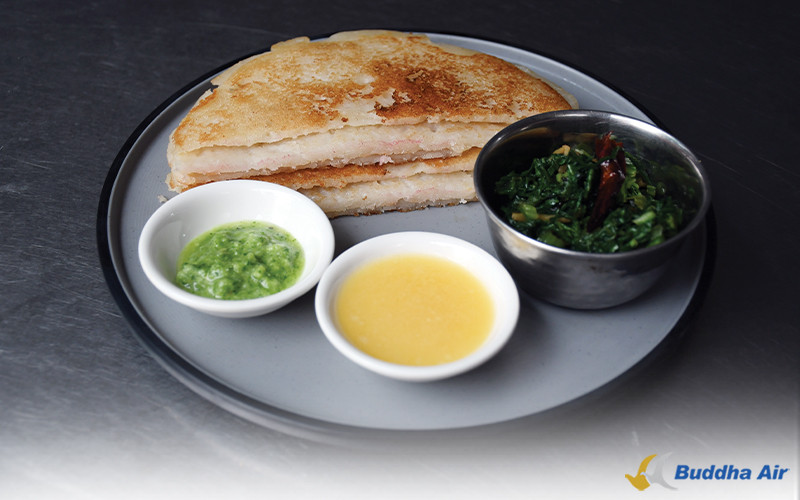
Nepal’s Far West Province consists of nine districts - seven hilly ones (Doti, Dadeldhura, Bajura, Bajhang, Achham, Baitadi, and Darchula) and two Terai districts (Kailali and Kanchanpur).
The indigenous people of the Terai include the Tharu and Rana Tharu communities, each with their own unique cuisine. Tharu dishes can be sampled at restaurants in Mahendranagar and Dhangadhi.
The hill communities also have their own repertoire of delicious dishes–dupka, batuk, manda, chhaanj, bhadduko shikar, paleu, and sekuwa are among the most popular.
Credit for introducing Far Western cuisine to Kathmandu goes to food researcher Dr Basant Joshi, who also helped brand the Sudurpaschim Thali. Today, Sudurpaschim dishes are available in selected restaurants in Kathmandu.
In April 2012, Dr Joshi opened Dupka Restaurant in Sangamchowk, Baneshwor, offering authentic Sudurpaschim dishes. Although the restaurant had operated for several years, it was forced to close due to the COVID-19 pandemic.
“We are preparing to open a restaurant again,” Joshi says. “We will serve the genuine taste, with a touch of fusion, and this time we plan to operate as a purely vegetarian restaurant.”
Dr Joshi is also planning to publish a photobook showcasing the dishes of Far West Nepal. "Our dishes can be internationalized," he says. "Far Western cuisine has the potential to charm both locals and foreigners."
We need to adapt traditional food for modern tastes without losing its essence. If we present it in a way that appeals to a generation that loves chow mein, momos, burgers, pasta, and pizza– while keeping the original flavours– it will gain popularity."
Dr. Basant Joshi
Food Researcher
Contact : 9851035013
Dupka is made from black dal, gahat (horse gram), or beans. The mixture is sometimes stuffed into dough, rolled out, and cooked into ‘roat’.
Manda is a soft bread made from rice flour.
Chhaanj is simply sizzled, slightly sour yoghurt.
Paleu is another beloved local dish. Wheat flour is mixed with yoghurt to create a rich broth, which is then flavoured with mustard seeds, fenugreek, and cumin fried in ghee. Seasonal greens are added, and the yoghurt broth is simmered until ready, creating a warming, wholesome meal.
8. Lhasso
You can savour Tamang cuisine while listening to live cello music at Bijeshwori's Tamang Kudap Dhim.
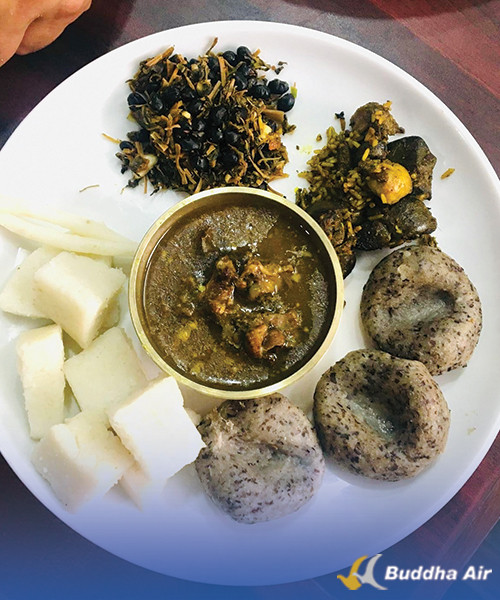
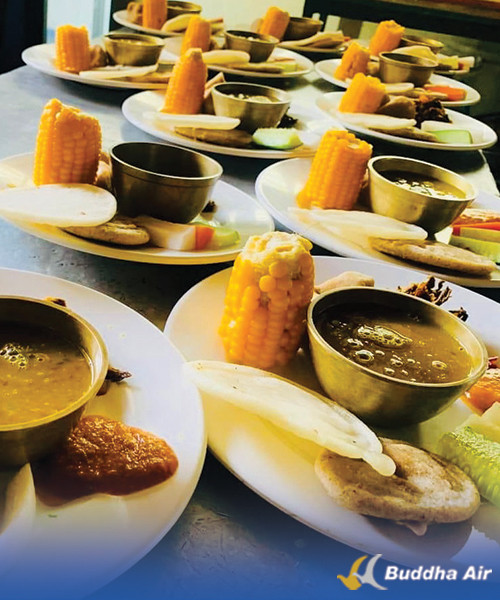
Tamangs are an indigenous community primarily living in Nepal’s hilly regions. Traditionally, they worship nature and engage in agriculture and animal husbandry. They eat what they grow– organic grains, vegetables, and forest tubers, which make their diet wholesome and seasonal.
They produce a variety of grains, including corn, buckwheat, millet, barley, wheat, and rice, and transform them into a rich assortment of dishes. Tamang cuisine includes khole, alum, babar, dhindo, chhop, meat dishes, beans, corn–soybean mixtures, tisya, mesya, geng, seasonal greens, sisnu (nettle), karkalo (taro), mushrooms, tusa (bamboo shoots), niguro (fiddlehead fern), phulaura, green corn, buju, and puwa.
They also prepare homemade liquors such as jaand, raksi, tongba, and chhyang.
Today, Tamang cuisine is also served in urban restaurants. Tamang Kudap Dhim, situated in Bijeshwori near Swayambhu, is one such place that offers authentic Tamang dishes. Operated by singer Phool Kumar Bamjan and his team, the restaurant treats visitors to the sounds of Damphu and Tungna, as well as live Tamang cello performances for groups that book in advance.
“When groups inform us in advance, we perform the Tamang cello for them,” says Bamjan. “Our main goal is to promote Tamang culture.”
Foreign tourists are among the regular visitors here, enjoying specialities such as kodo ko raksi (millet alcohol), babar roti, phulaura, and dhindo.
Liquor is a significant cultural element for the Tamang community, often consumed as sagun (an auspicious offering) during births, deaths, and kul puja (ancestral rituals). However, the ban on the sale of home-brewed liquor has posed challenges for restaurants seeking to promote authentic cuisine.
Home-brewed alcohol is a part of our food culture. Our lunch set traditionally includes millet liquor or chhyang, but current regulations do not allow us to sell it. We should be permitted to make and serve home-brewed liquor.
Operator, Tamang Kudap Dhim
Contact : 9841310733
Some Popular Dishes
Dhindo - A porridge-like staple made from corn, millet, wheat, buckwheat, or barley flour cooked in boiling water and served with vegetables, meat, and chutney.'
Alum - Balls of wheat flour dough boiled in water until cooked, eaten with chutney and traditionally consumed during Maghe Sakranti.
Geng - Flatbreads made from buckwheat, corn, or millet flour, served with pickles or vegetables. A must during weddings and chhewar (boys’ first haircut ceremony).
Phulaura - Buckwheat flour fritters deep-fried until crispy, eaten with gahat (horse gram) or bean broth.
Maize-Bean Meal - Fried maize and black soybeans, served as a snack with gundruk pickle.
Puwa - Millet or maize flour fried in ghee or oil over low heat. Sugar or salt may be added, and it is eaten with vegetables and pickles.
Tisya/Teme - Wild tubers, yams (gittha), and taro roots (pindalu), boiled and eaten with pickles.
Sagun - The customary offering of home-brewed liquor, chhyang, or jaand as a sign of auspiciousness.
Nepal Tour through Food
A restaurant where Nepali culture comes alive. Bhaktapur's Tusa Restaurant offers a delightful blend of Nepali art, culture, and taste.
The ancient city of Bhaktapur is often described as an open-air museum. It is a living repository of art, Newar traditions, and cultural heritage. Tourists flock here to experience its historical, religious, social, and artistic treasures.
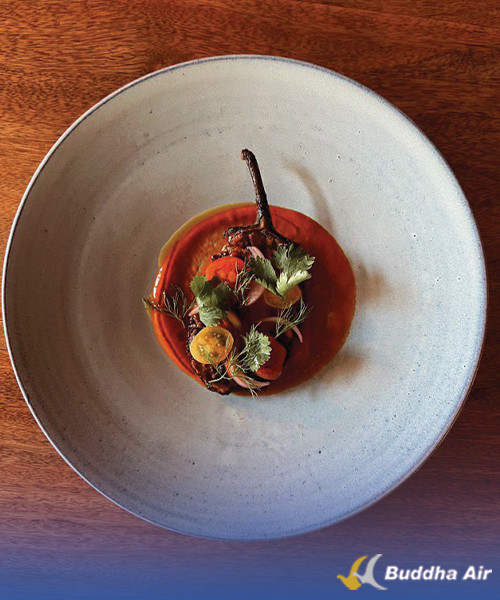

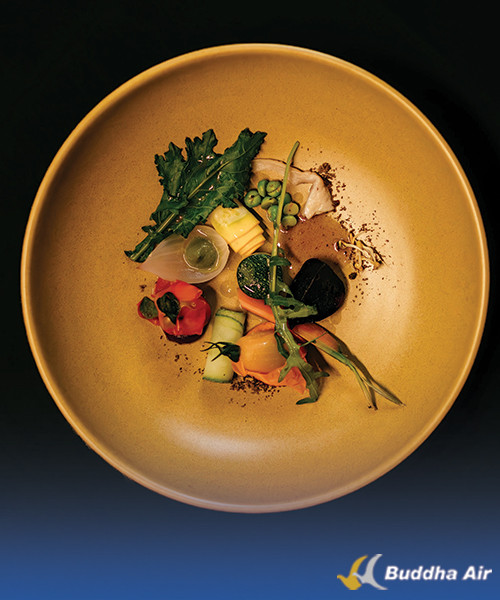
Among the many hotels, restaurants, and eateries catering to visitors, one stands out— Tusa Restaurant, located near the Dattatreya Temple, beside Nagpokhari. Dining at Tusa leaves guests with a memory as sweet as the flavours it serves.
At Tusa, tradition and modernity meet on the plate. Ingredients sourced from the Himalayas, hills, and Terai — from fresh vegetables and fruits to dairy and meat products — are prepared and presented in creative ways that highlight authentic Nepali taste.
The restaurant serves only lunch and dinner, offering a seven-course journey from starter to dessert. Menus change with the seasons, and the experience concludes with a unique sisnu (nettle) cake. The full course is priced at NPR 4,500.
Guests are required to book 24 hours in advance, and any dietary restrictions or allergies must be shared during the reservation. The intimate dining space accommodates just 16 guests at a time.
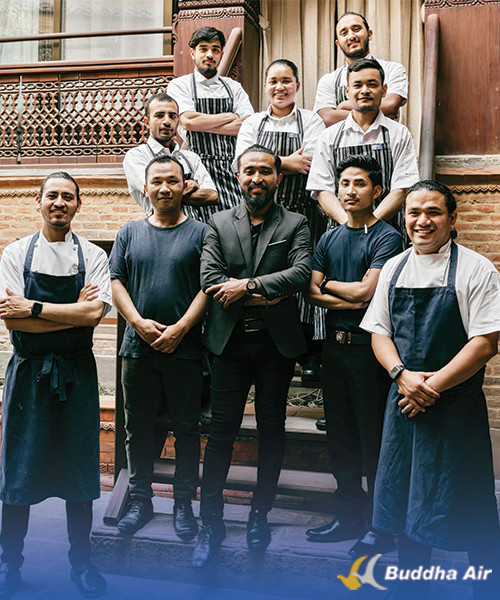 Housed in an artistic building designed by UNESCO award-winning heritage expert Rabindra Puri, Tusa employs a dedicated team of 12, including two chefs. The restaurant remains closed on Mondays.
Tusa opened its doors in April 2024, born from the vision of three Nepali chefs - Rupesh Bohara from Dhapakhel, Lalitpur; Sagar Shrestha from Nawalparasi; and Parshuram Pathak from Sankhuwasabha. After years of culinary work in Australia, they returned home, inspired to promote local cuisine through a refined dining experience.
Drawing on their international expertise, they created Tusa, which has quickly gained popularity among foreign tourists, Nepal’s corporate community, and non-resident Nepalis. The founders are thrilled to see their dream flourishing.
At Tusa, food is more than sustenance. It is a cultural journey. Each dish introduces visitors to Nepal through flavours, stories, and traditions, immersing them in an experience that connects cuisine with culture.
www.tusanepal.com
Dining Guidelines
• Reservations must be made 24 hours in advance, with a 50% deposit.
• Only lunch and dinner are served. Guests wearing shorts or slippers are not permitted.
• Allow yourself time - the seven-course dining experience lasts about 90 minutes.


